Hedge Planting & Trimming

Whether you need a new hedge planted for privacy, an overgrown one brought back into shape, or regular trimming to keep it looking sharp, we'll keep your boundaries looking their best all year round.

Hedge Planting & Trimming
Overview

What to expect

A good hedge gives you privacy, blocks wind and noise, and looks great all year. Whether you want a new one planted from scratch, an overgrown one sorted out, or regular seasonal trimming to keep things tidy, we can help. We work with all the common hedging species: Laurel (Cherry and Portuguese), Beech, Hornbeam, Yew, Privet, Box, Leylandii, Western Red Cedar, and mixed native hedgerows.

Planting a new hedge? We'll prepare the ground properly, advise on the best species for your soil and aspect, and plant at the right spacing. If you want year-round screening, something like Laurel or Yew is ideal. If you prefer a more traditional look, Beech holds its copper leaves through winter and looks beautiful. We supply hedging in all sizes, from bare-root whips planted during the dormant season (November–March) to larger specimens if you want instant impact.

For existing hedges, we offer one-off reshaping or regular trimming on a schedule that works for you. Most formal hedges need cutting twice a year, once in late spring or early summer after checking for nesting birds, and again in late summer. We always check for active nests before cutting between March and August, because damaging one is an offence under the Wildlife and Countryside Act 1981. Got a hedge that's completely out of control? We can renovate it over one or two seasons, cutting it back hard to encourage fresh, dense growth from the base.

Our Process

How It Works

1

We talk through what you want

We discuss what you're after: more privacy, a tidier boundary, something low-maintenance. For new hedges, we advise on the best species and planting approach for your garden.

2

We prepare the ground

For new hedges, we clear the planting line, improve the soil if needed, and make sure everything is ready for healthy establishment.

3

Planting or trimming

New hedges are planted at the right spacing with stakes, ties, and rabbit guards if needed. For existing hedges, we trim to a clean, even shape using professional equipment.

4

We check for nesting birds

Before trimming between March and August, we check thoroughly for active nests. If we find any, we leave that section alone until the chicks have fledged. It's the law.

5

Everything is cleared away

All clippings and waste are removed. For new planting, we give you watering and aftercare tips. We can also set up a regular maintenance schedule so your hedge always looks its best.

Included

What's Included

Free consultation and written quote
Advice on the best species for your garden
Supply and planting of hedging (bare-root, container, or root-balled)
Ground preparation and soil improvement
Bird nesting checks before trimming (March–August)
Clean, even trimming to the shape you want
All clippings and waste removed
Covered by £10m public liability insurance
Recent work

Recent Hedge Planting & Trimming Jobs

See all our work
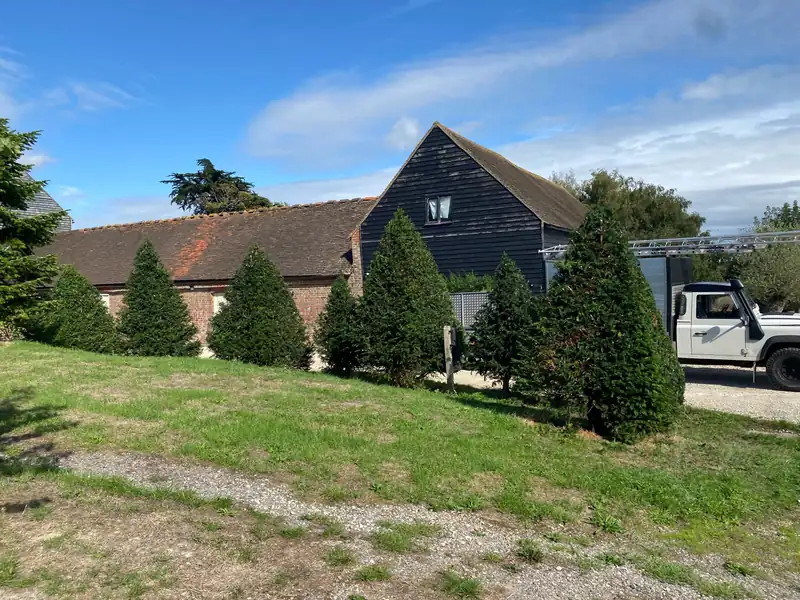
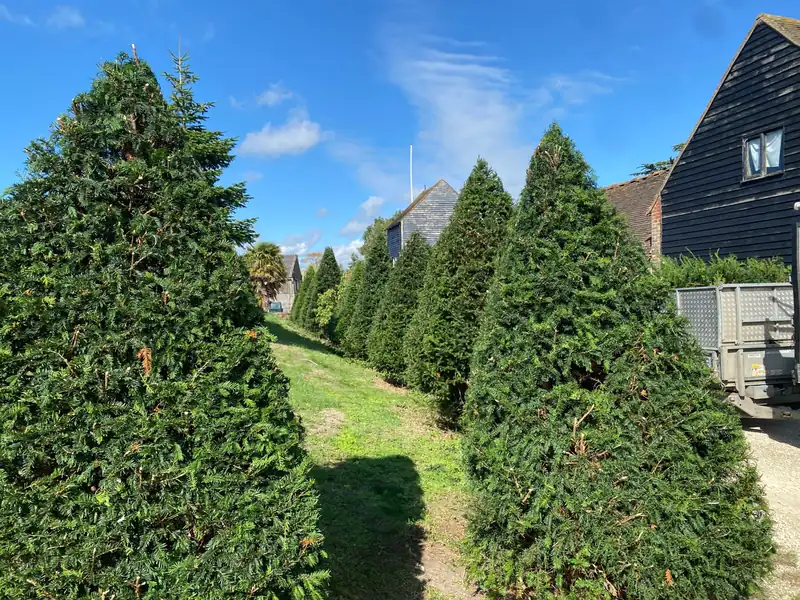
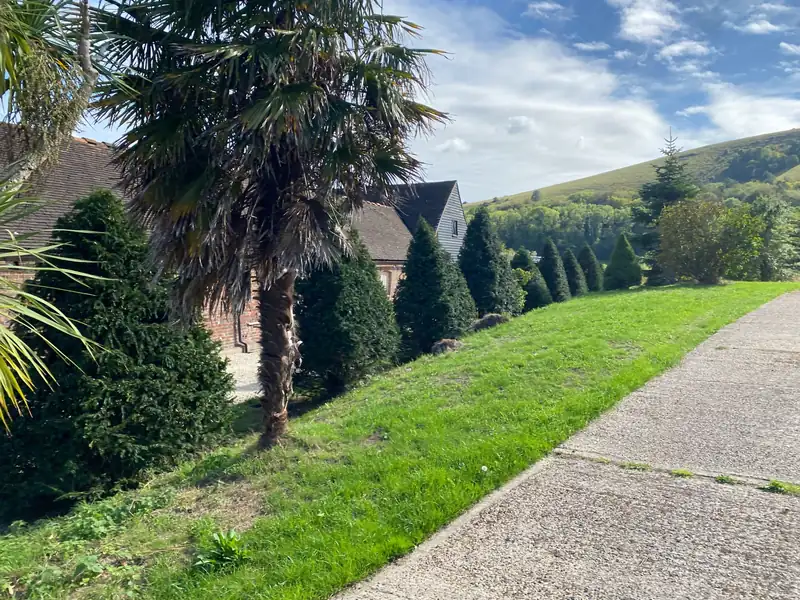
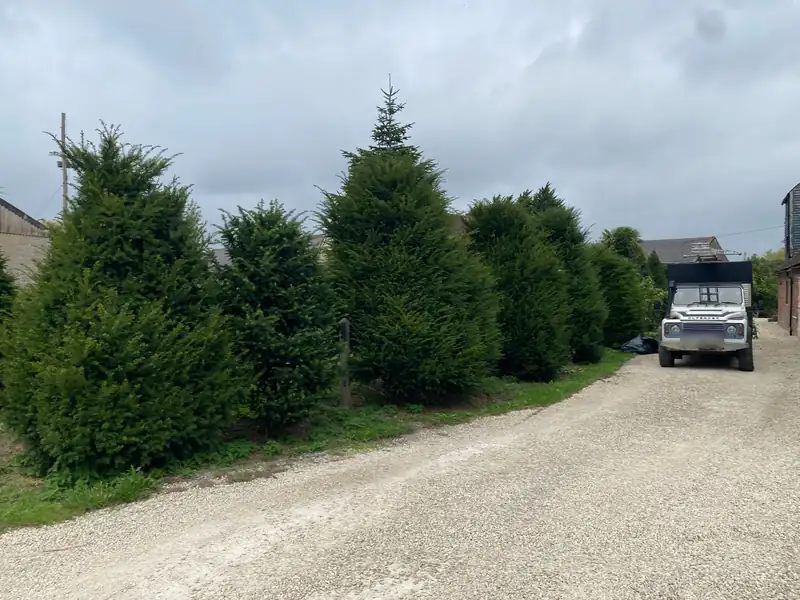
Reshaping overgrown yews, Hassocks (photo 1 of 5)Reshaping overgrown yews, Hassocks (photo 2 of 5)Reshaping overgrown yews, Hassocks (photo 3 of 5)Reshaping overgrown yews, Hassocks (photo 4 of 5)Reshaping overgrown yews, Hassocks (photo 5 of 5)

Hassocks

Reshaping overgrown yews

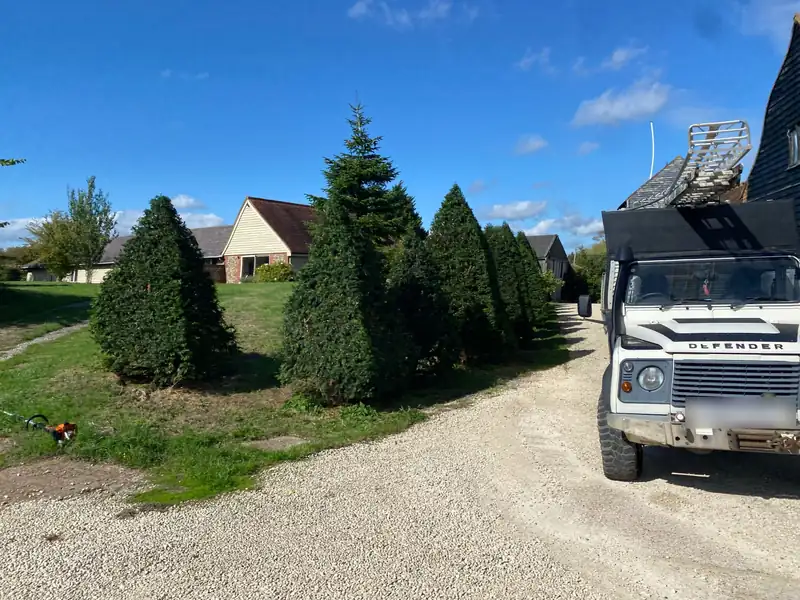
A really enjoyable day bringing these yews back into shape. They’d been left too long, so some parts needed a harder cut than we’d usually make, but they’ll fill back in, and we’ll be keeping them in shape from here.

Trimming garden hedges back into shape, Lindfield (photo 1 of 2)Trimming garden hedges back into shape, Lindfield (photo 2 of 2)

Lindfield

Trimming garden hedges back into shape

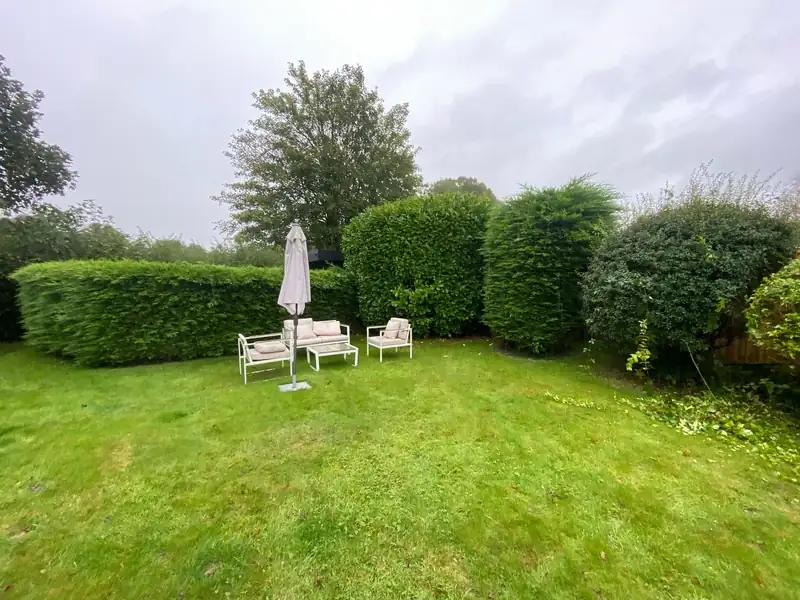
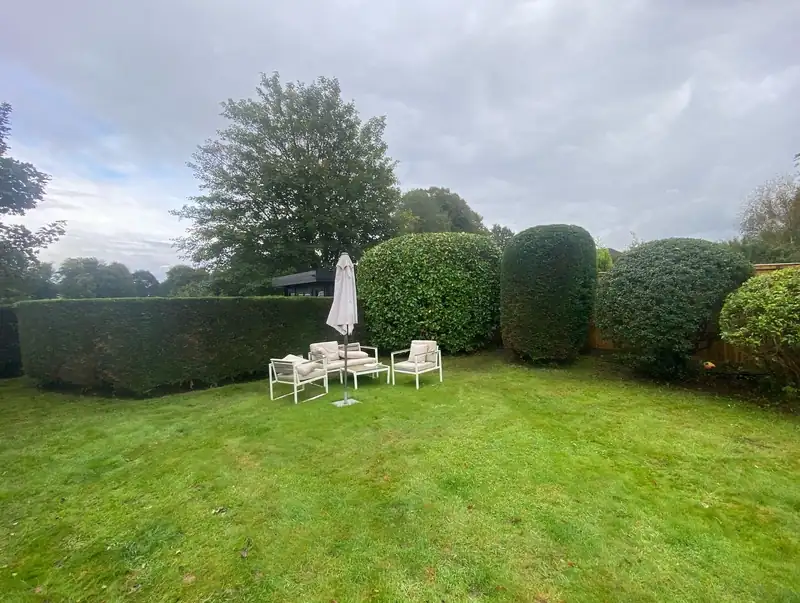
A very wet day in Lindfield bringing these garden hedges back into shape. Before and after.

Clipping a yew into a teardrop, Burgess Hill

Burgess Hill

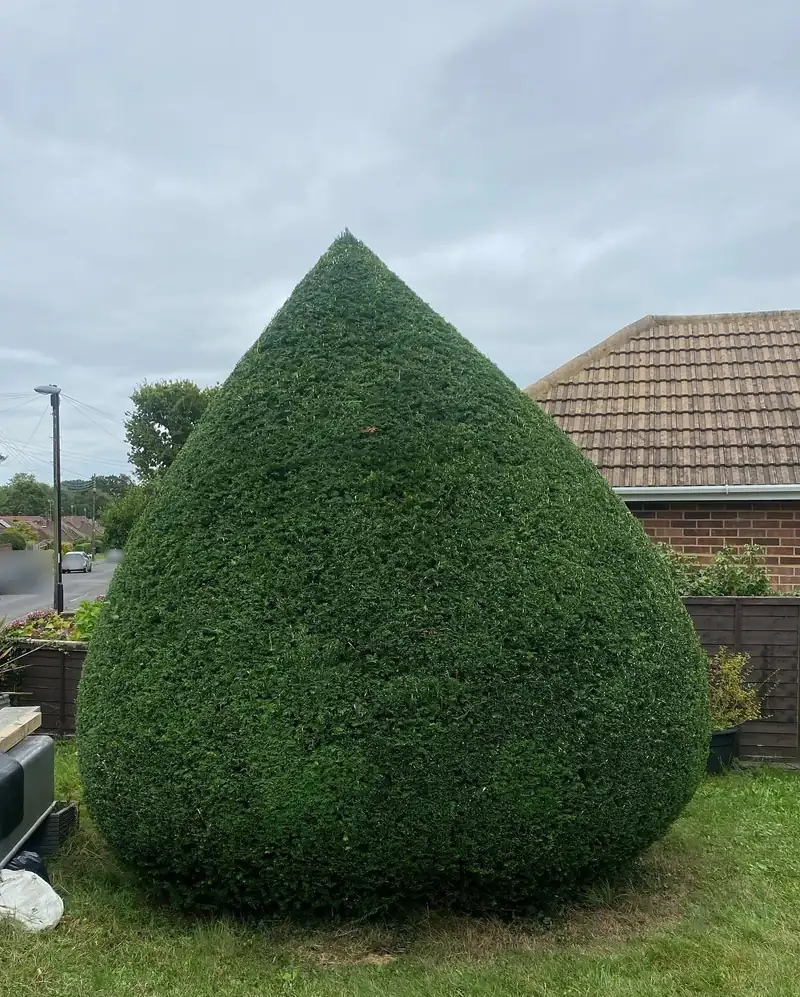
Clipping a yew into a teardrop

A yew clipped into a teardrop shape one morning in Burgess Hill, using a battery hedge cutter.

Hedge Planting & Trimming reviews

What Our Customers Say

4.9 4.9 out of 5 from 14 Google reviews

“Great work from start to finish. Ant and the team carried out a balanced reduction of our beech tree, a hard-reshape of a yew and removed a bay tree. Professional, tidy and experts at what they do.”

Christopher S. Google review

“Ant has been looking after my trees and hedges for a number of years. He always does a great job and often goes above and beyond to ensure the job is the best it can be.”

Hilary S. Google review

“Ant made an amazing job of thinning out our Eucalyptus tree, and also took on a little topiary of a bay tree whilst with us. Highly recommended, the easiest and most pleasant person to deal with.”

James N. Google review

Plus 9.9/10 from over 200 Checkatrade reviews since 2017

Pricing Guide

What does hedge work cost?

As a typical guide, trimming a straightforward front garden hedge of 10–15 metres costs £150–£300. Tall hedges over 3 metres and long boundary hedges cost more because they need specialist equipment and take longer, and a neglected Leylandii that needs a hard cut-back is a bigger job than an annual maintenance trim on a Laurel. New hedge planting is quoted per job based on the species, plant size, and length of run.

These are guide ranges rather than commitments. Every job gets a free fixed written quote before we start.

Read our full Sussex tree surgery price guide
FAQ

Hedge Planting & Trimming: Common Questions

When is the best time to plant a new hedge?

Bare-root hedging goes in during the dormant season, November to March. It's cheaper and establishes well. Container-grown plants can go in any time of year, though autumn and winter planting generally gives the best results. We'll advise on the right timing for your chosen species.

How often should my hedge be trimmed?

Most formal hedges (Laurel, Privet, Beech, Yew) need two cuts a year. The first in late spring or early summer (after checking for nesting birds), and the second in late summer. Fast growers like Privet or Leylandii might need a third cut. Informal native hedgerows usually only need one cut in late winter.

Can you cut my hedge during bird nesting season?

Yes, but we check for active nests first, because damaging one is against the law. We inspect thoroughly before trimming between March and August. If we find nests, we leave that section alone until the chicks have fledged and talk to you about the options.

My hedge is completely out of control. Can it be rescued?

Usually, yes. Most hedging species respond well to hard pruning. Yew, Beech, Hornbeam, and Laurel are especially good at growing back from old wood. We normally recommend doing it in stages, cutting one side hard one year and the other the next, to reduce the shock. We'll have a look and tell you the best approach.

How much does hedge trimming cost?

A straightforward front garden hedge of 10–15 metres typically costs £150–£300 to trim. Tall hedges over 3 metres, long boundary runs, and overgrown hedges needing a hard cut-back cost more because they take longer and need specialist equipment. Every job gets a free fixed written quote before we start.

Get in touch

Get a Free Quote

Send us a few photos on WhatsApp for a quick estimate, or fill in the form and we'll get back to you within 24 hours.

Step 1 of 2

Tell us a bit about it

Hedge Planting & Trimming

Don't worry if you're not sure on the details. Antony will come and have a look.